The Hidden Costs of Owning vs. Renting Heavy Equipment

When it comes to running a successful construction or contracting business, equipment decisions can make or break your bottom line. Many contractors face the age-old question: Should I own or rent heavy equipment? While ownership might seem like a long-term investment, the hidden costs often tell a different story. Renting, on the other hand, offers flexibility and financial advantages that are hard to ignore.

In this post, we’ll break down the true costs of ownership, the benefits of renting, and how to make the smartest choice for your business. Plus, we’ll share resources and links to help you dive deeper into specific equipment rental options.

The True Cost of Owning Heavy Equipment

Owning equipment isn’t just about the purchase price. Here are the major hidden costs contractors often overlook:

1. Depreciation

Heavy equipment loses value over time. Even if you buy new, resale value can drop significantly after just a few years. This depreciation eats into your ROI and limits your financial flexibility.

2. Maintenance and Repairs

Routine maintenance, unexpected breakdowns, and replacement parts add up quickly. For specialized machines, repair costs can be staggering.

3. Storage and Transportation

Owning equipment means you need secure storage and reliable transportation to job sites. These logistics often require additional investments in trailers, trucks, and yard space.

4. Insurance and Compliance

Insurance premiums for owned equipment are higher than for rented units. Plus, compliance with safety and emissions standards can lead to costly upgrades.

Why Renting Makes Sense for Contractors

Renting heavy equipment offers a range of benefits that go beyond cost savings:

  • Flexibility: Rent only what you need, when you need it.
  • Access to Latest Technology: Rental fleets often include newer models with advanced features.
  • Lower Upfront Costs: No massive capital outlay—free up cash for other priorities.
  • Reduced Maintenance Hassles: Rental companies handle servicing and repairs.

Case Study: Power Solutions on Demand

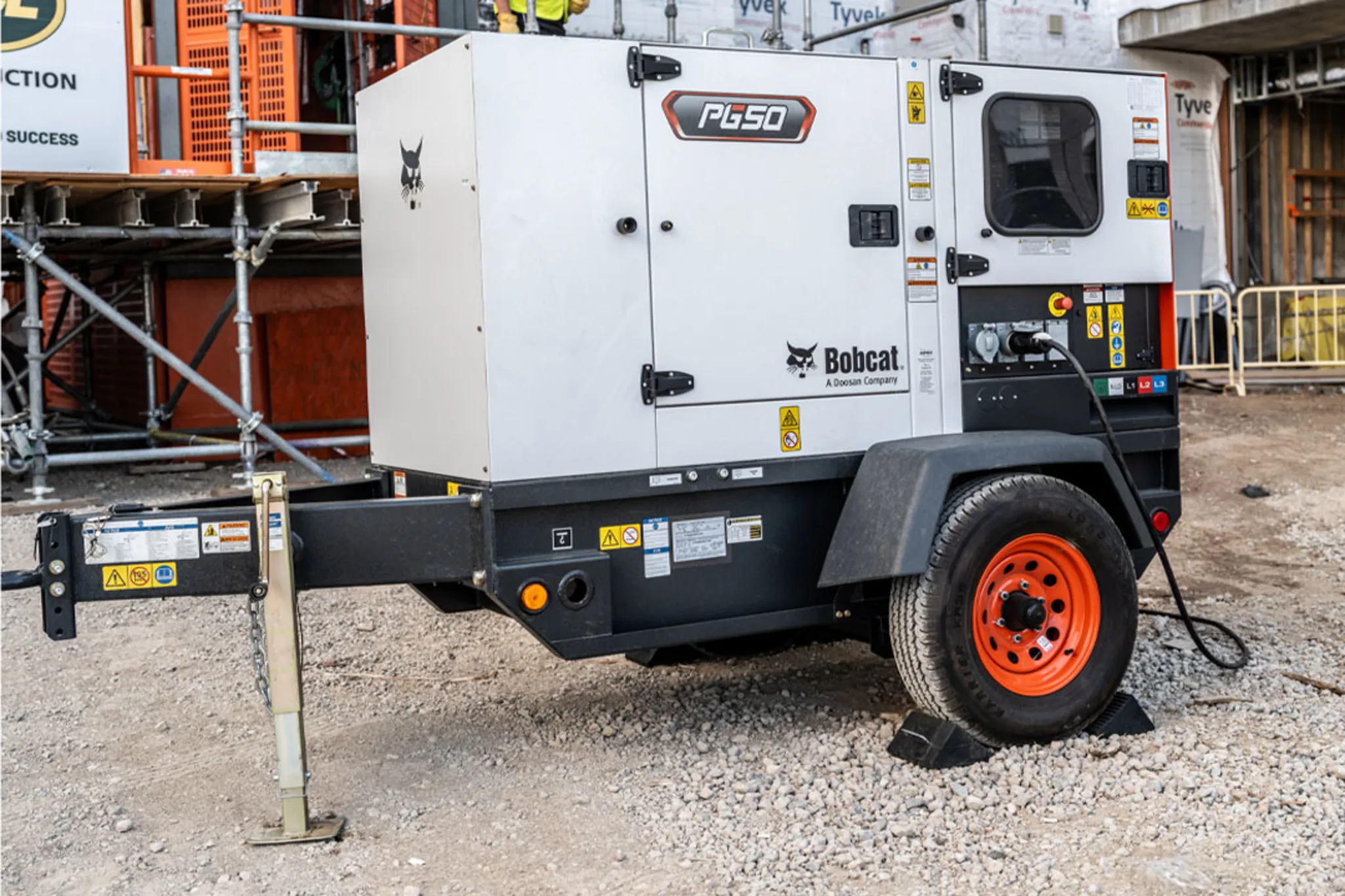
Power supply is critical on any job site, but owning a generator often comes with more headaches than benefits. Let’s break down why renting is the smarter move for most contractors:

1. Variable Power Needs

Construction projects rarely have identical power requirements. One site might need a 20kW generator, while another demands 100kW. Owning a single generator limits flexibility—you either overspend on a large unit or under power your site. Renting allows you to scale up or down based on project needs without tying up capital.

2. Maintenance and Compliance

Generators require regular servicing—oil changes, filter replacements, load testing—and compliance with emissions standards. These costs add up quickly, especially if your generator sits idle between jobs. Rental companies handle all maintenance and ensure units meet current regulations, saving you time and money.

3. Storage and Transportation

When a generator isn’t in use, you need secure storage and transport solutions. Idle equipment still costs you in yard space and logistics. Renting eliminates these concerns because the rental company delivers and picks up the unit when you need it.

4. Emergency and Backup Power

Unexpected outages or last-minute project changes often require immediate power solutions. Owning a generator doesn’t guarantee availability if your unit is already deployed or under repair. Rental providers can deliver backup power fast, minimizing downtime and keeping your project on schedule.

Before making any big decisions, it’s smart to understand market trends. Construction costs fluctuate, and equipment pricing is no exception. For a comprehensive look at current cost data:

👉 Check out the Construction Cost Report North America Q2 2025

Final Thoughts: Ownership vs. Renting—Which Is Right for You?

If your projects require specialized equipment for short durations, renting is almost always the smarter choice. For long-term, high-utilization needs, ownership might make sense—but only after factoring in all hidden costs. Get started renting with us today!

Pro Tip: Start by analyzing your project pipeline and equipment utilization rates. Then compare total ownership costs against rental fees. You might be surprised at how much you can save—and how much flexibility you gain—by renting.

Safety First: Best Practices for Operating Aerial Lifts

safety harnesses for aerial lifting platforms

When it comes to aerial lifts, safety isn’t just a recommendation—it’s a necessity. Whether you’re a contractor managing a job site or a rental customer using equipment for the first time, understanding best practices can prevent accidents, protect workers, and keep projects on schedule. At LiftWorx, we prioritize safety above all else, and this guide will help you do the same.

Why Safety Matters with Aerial Lifts

Aerial lifts—whether scissor lifts or boom lifts—are essential for reaching elevated work areas. However, improper use can lead to falls, tip-overs, and serious injuries. According to OSHA, many aerial lift accidents occur due to lack of training, poor maintenance, or unsafe operating conditions. By following industry standards and proven safety practices, you can minimize risks and ensure compliance.

Pre-Operation Checklist

Before operating any aerial lift, perform these checks:

  1. Inspect the Equipment
    • Look for hydraulic leaks, worn tires, and damaged guardrails.
    • Verify that safety devices (such as emergency stop buttons) are functional.
  2. Check the Surroundings
    • Ensure the ground is stable and level.
    • Identify overhead hazards like power lines.
  3. Review the Load Capacity
    • Never exceed the manufacturer’s weight limit.
    • Account for tools and materials in addition to personnel.

Best Practices During Operation

  • Wear Proper PPE
    Hard hats, harnesses, and fall protection gear are non-negotiable.
  • Stay Within Guardrails
    Never climb or lean over the rails to reach further.
  • Avoid Sudden Movements
    Jerky motions can destabilize the lift, especially at full extension.
  • Follow Manufacturer Guidelines
    Every lift model has unique specifications—know them before you start.

Training and Compliance

Operator training is critical. OSHA requires that anyone using an aerial lift be properly trained and certified. Familiarize yourself with the OSHA aerial lifts Fact Sheet and the ANSI Standards for aerial lifting platforms for detailed compliance requirements.

Choosing the Right Lift for the Job

Not sure whether you need a scissor lift or a boom lift? Check out our guide: “Scissor Lift vs. Boom Lift: Which One Is Right for Your Job?” to make an informed decision based on height, reach, and terrain.

LiftWorx Safety Standards

At LiftWorx, we go beyond industry norms. Our equipment is inspected before every rental, and we provide safety orientation for all customers. We also offer a range of safety training, including CPR and First Aid, Aerial Work Platform Training and fall arrest training.

Final Thoughts

Safety is everyone’s responsibility. By following these best practices, you protect your team, your project, and your bottom line. When in doubt, consult the manufacturer’s manual, OSHA guidelines, and ANSI standards—and never compromise on safety. Get in touch with us today to schedule training for your team, or get renting some of the safest equipment in the industry.

Scissor Lift vs. Boom Lift: Which One Is Right for Your Job?

several extended boom lifts with the sky in the background

When working at heights, selecting the right equipment is critical for safety, efficiency, and cost-effectiveness. Contractors and project managers often ask: Should I rent a scissor lift or a boom lift? Both options have unique advantages, and the right choice depends on your project requirements. This guide will help you decide and show why renting from Liftworx is the smart move.

What Is a Scissor Lift?

A scissor lift is an aerial work platform designed for vertical elevation. It uses a crisscrossing metal support system that extends upward, providing a stable platform for workers.

Best for:

  • Indoor projects.
  • Flat, stable surfaces, unless using a self-leveling lift.
  • Tasks requiring vertical reach only.

Common Uses:

  • Electrical installations.
  • Ceiling repairs.
  • Warehouse maintenance.

Explore our Scissor Lift page for more details.


What Is a Boom Lift?

A boom lift, also known as a cherry picker, offers both vertical and horizontal reach. It features an extendable arm that can rotate, making it ideal for hard-to-reach areas.

Best for:

  • Outdoor projects.
  • Uneven terrain.
  • Jobs requiring extended outreach.Common Uses:
  • Exterior building work.
  • Tree trimming.
  • Bridge inspections.Check out our Boom Lift page for flexible options.

Key Differences Between Scissor and Boom Lifts

FeatureScissor LiftBoom Lift
ReachVertical onlyVertical + Horizontal
TerrainFlat surfacesRough or uneven
CostLower rental costHigher rental cost
MobilityLimitedHigh flexibility

Safety Considerations

Safety is paramount when operating aerial lifts. Always:

  • Inspect equipment before use.
  • Train operators thoroughly.
  • Follow load capacity guidelines.

Refer to OSHA Aerial Lift Safety Guidelines and ANSI Aerial Work Platform Standards for compliance.

For more tips, read our blog: https://liftworx.com/blog/safety-first-best-practices-for-operating-aerial-lifts.

Why Renting Is Better Than Buying

Owning equipment comes with hidden costs like maintenance, storage, and depreciation. Renting gives you:

  • Access to the latest equipment.
  • No maintenance or storage costs.
  • Flexibility for short-term projects.

Learn more in The Hidden Costs of Owning vs. Renting Heavy Equipment and explore our Equipment Rental Services.


How Liftworx Helps Contractors

Liftworx offers:

  • A wide range of aerial lifts for every job.
  • Fast delivery and flexible rental terms.
  • Expert guidance to help you choose the right lift.

Discover how we support tight deadlines in How Liftworx Helps Contractors Overcome Tight Project Deadlines.


Conclusion

Choosing between a scissor lift and a boom lift depends on your project’s height, reach, and terrain requirements. For expert advice and reliable rentals, Liftworx is your go-to partner.

Ready to rent the right lift for your job? Request a Quote today.